Edit Content
Click on the Edit Content button to edit/add the content.

Project Aims

The aims of the FAST Cocoa Project include

This analysis examines the policies, regulations, and institutional arrangements that shape Indonesia’s cocoa sector. It identifies gaps, overlaps, and opportunities within the current framework, evaluates how national policies align with global sustainability standards, and assesses the implications for smallholder farmers, value chain actors, and trade competitiveness.
This analysis outlines the structure of Indonesia’s cocoa value chain and examines the key constraints that limit the development of sustainable cocoa trade. It provides an overview of value chain actors, processes, and market flows, while identifying productivity challenges, quality issues, traceability gaps, and policy-related obstacles that affect the sector’s competitiveness and alignment with global sustainability standards.


This assessment evaluates the sustainability performance and competitive position of Indonesia’s cocoa sector. It reviews environmental, social, and economic practices across the value chain, analyzes productivity and market dynamics, and examines the sector’s readiness to meet international sustainability requirements. The findings support efforts to strengthen Indonesia’s capacity to compete in global markets while promoting responsible and resilient cocoa production.

This section identifies targeted interventions to enhance the efficiency, sustainability, and inclusiveness of Indonesia’s cocoa value chain. It outlines strategic actions to address key constraints, strengthen policy alignment, improve farmer capacity, and support compliance with global market standards, providing a roadmap for a more competitive and resilient cocoa sector.

Workplan Overview

To deliver meaningful results, FAST UNDP will execute a series of focused work stages.

Inception Meeting & Field Visits

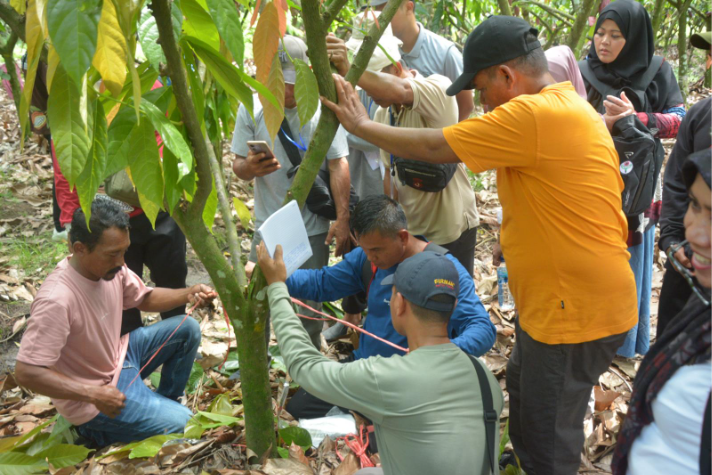
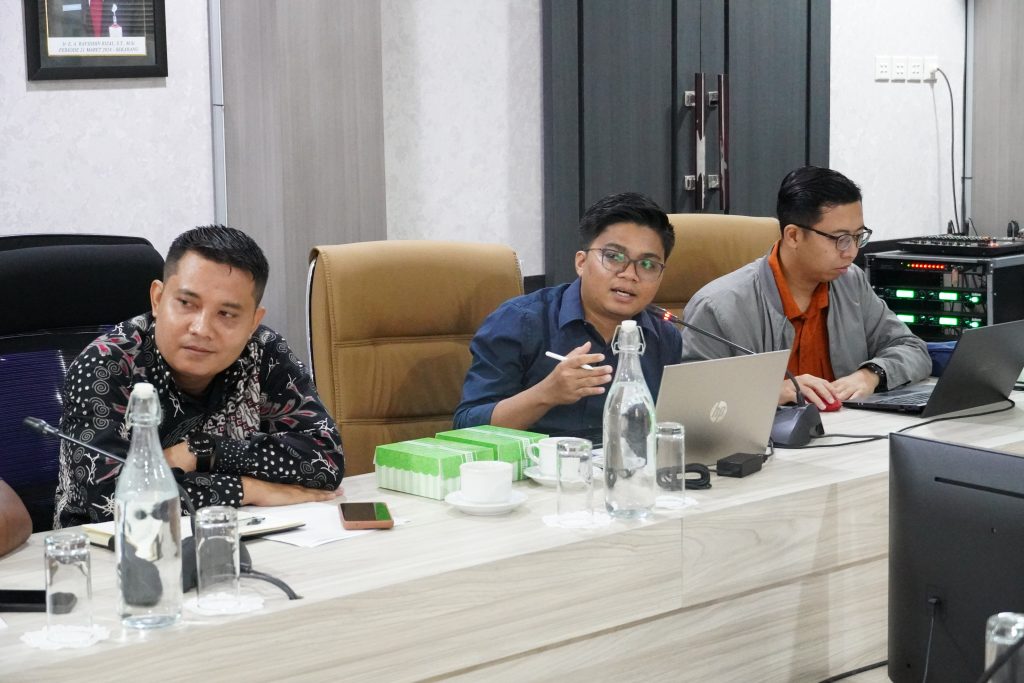
The initial stage included an inception meeting with key government and project stakeholders to align objectives, validate the methodological approach, and agree on sampling and training priorities. This was followed by a field visit to smallholder cocoa farms in Mojokerto to observe cultivation practices, post-harvest handling, and market interactions, providing early insights to guide the next project phases.

Indonesia Cocoa Survey & Policy Review

The survey stage involves data collection in three key cocoa-producing regions: Lampung, Central Sulawesi, and East Kalimantan. These areas were selected because of their production potential and strategic importance for future cocoa development. The survey will include 30 farmers, 10 collectors, 10 traders, and a group of cocoa processing industries that represents both large companies and MSMEs. This activity aims to gather information on farming practices, market conditions, and challenges along the cocoa value chain to support the project’s analysis.

Capacity Building and Training of Trainers

A capacity-building program using a Training of Trainers approach will be conducted in East Java, involving farmers, government representatives, youth, and other stakeholders. The training will include 30 participants from Lampung, Central Sulawesi, East Kalimantan, and East Java, with women comprising 30% of the group. A study on the export tax for intermediate cocoa products will also be carried out through a desk review and interviews with relevant stakeholders.

Cocoa Reform Policy Workshop

The workshop will apply participatory methods, allowing participants to provide input on the draft policy recommendations, identify key issues and challenges, and suggest actions to strengthen sustainable cocoa policies. Participants will consist of selected stakeholders agreed upon with UNDP, including 47 stakeholders based in Jakarta and 7 from outside Jakarta (3 from Lampung, 3 from Central Sulawesi, and 1 from East Kalimantan).

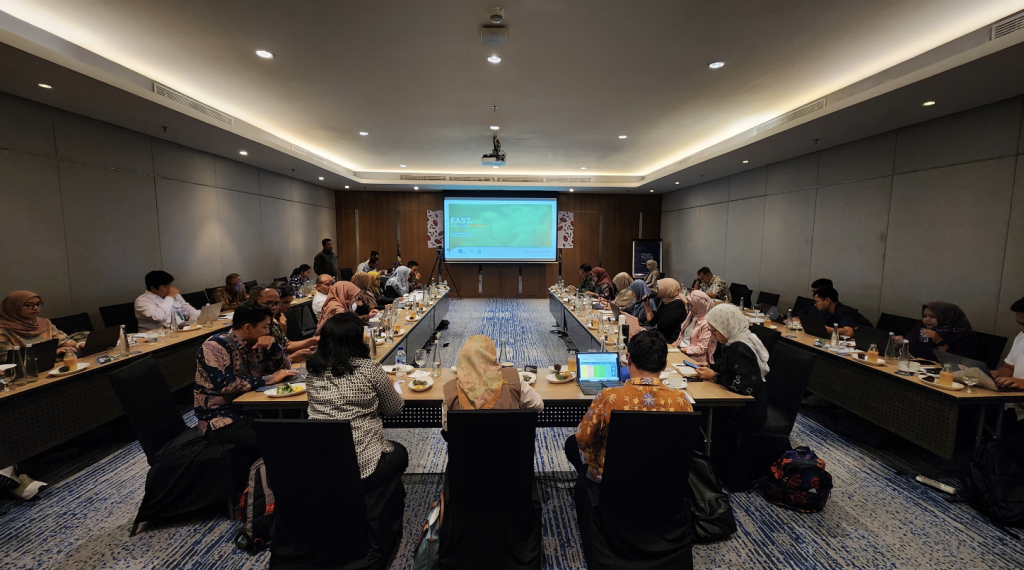
FAST's Inclusive Value Chain Framework

To deliver meaningful results, FAST UNDP will execute a series of focused work stages.